

Premium aesthetic, laser, skincare, and dental care in Dubai, combining advanced technology with personalised patient care.
Premium aesthetic, laser, skincare, and dental care in Dubai, combining advanced technology with personalised patient care.
Skin & Hair Services
Book Appointment
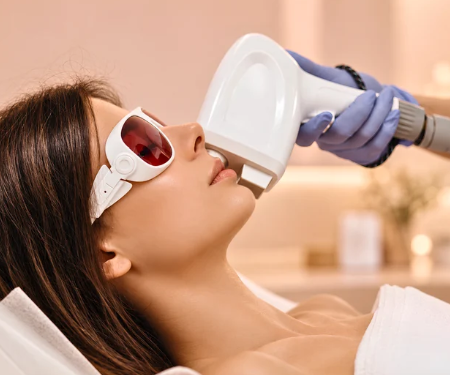
Laser Hair Removal in Dubai
Unwanted hair can be difficult to manage with regular shaving, waxing and plucking. These methods often require frequent maintenance and may contribute to irritation, razor bumps and ingrown hairs.
Primelase HR Excellence is a professional diode laser system designed for hair reduction. It uses controlled laser energy to target pigment in hair follicles, helping reduce future hair growth over a course of treatments.
At Opal Elite Clinic, Primelase laser hair removal can be considered for selected facial and body areas following an assessment of your skin tone, hair characteristics and medical history.
Whether you want to reduce unwanted hair on your face, underarms, arms, legs or other body areas, a personalised treatment plan helps determine the appropriate settings and session schedule.
Book a consultation at Opal Elite Clinic to explore Primelase laser hair removal.
What Is Primelase Laser Hair Removal?
Primelase HR Excellence is a professional diode laser platform developed for aesthetic treatments, including laser hair reduction.
The system delivers controlled pulses of laser energy that are absorbed by melanin, the pigment found in hair. The absorbed energy produces heat around the hair follicle, helping impair its ability to produce new hair.
The objective is long-term hair reduction rather than guaranteed permanent removal of every hair.
Primelase incorporates high-power diode laser technology and a cooling system designed to help protect the skin’s surface and improve treatment comfort.
The device configuration and available applicators determine the wavelengths, treatment modes and areas that can be addressed.
How Does Primelase Laser Hair Removal Work?
Laser hair removal works through a process called selective photothermolysis. The laser energy is absorbed by pigment in the hair, converted into heat and transferred to structures involved in hair growth.
The treatment is designed to target the follicle while limiting unnecessary heating of surrounding skin.
1. Laser Energy Targets Hair Pigment
The laser emits controlled light pulses that are absorbed by melanin in the hair shaft and follicular structures.
2. Heat Affects the Hair Follicle
The absorbed energy produces heat, which damages structures responsible for hair growth.
3. Hair Growth Becomes Reduced
Following a successful treatment, some treated hairs shed and future growth may become slower, finer or less dense.
4. Multiple Sessions Address Hair Growth Cycles
Not all hairs are in the same growth phase at the same time. Laser treatment is most effective when hair is in its active growth phase, which is why a course of sessions is usually required.
Key Features of Primelase HR Excellence
Primelase HR Excellence combines diode laser technology with features designed to support controlled treatment delivery.
High-Power Diode Laser Technology
The platform is designed to deliver laser energy efficiently to targeted hair follicles. Treatment parameters can be adjusted according to the treatment area and patient characteristics.
Controlled Pulse Delivery
The system offers adjustable treatment parameters, allowing the practitioner to select settings based on hair characteristics, skin tone and the intended treatment area.
Integrated Cooling
The applicator incorporates contact cooling to help protect the skin’s surface and improve comfort during treatment.
Treatment Versatility
Depending on the installed configuration and applicator, Primelase can be used to treat different body areas and hair characteristics.
Personalised Treatment Settings
The clinician selects suitable parameters after assessing skin tone, recent sun exposure, hair colour, hair thickness and treatment history.
The actual features available at Opal Elite should be confirmed against the specific Primelase model and applicators installed at the clinic.
Benefits of Primelase Laser Hair Removal
Laser hair reduction may offer several advantages compared with frequent shaving, waxing and plucking.
Long-Term Hair Reduction
A completed treatment course may produce a significant reduction in unwanted hair growth. Maintenance sessions may be needed depending on individual response.
Reduced Shaving and Waxing
As hair growth becomes less dense, some patients may need fewer traditional hair-removal sessions.
Smoother-Looking Skin
Reduced visible hair can help create a smoother appearance in treated areas.
Helps Reduce Ingrown Hairs
Laser hair reduction may help reduce recurring ingrown hairs in selected patients by decreasing hair growth.
Less Shaving-Related Irritation
Patients who experience razor bumps or irritation from frequent shaving may benefit from reducing the need for regular hair removal.
Treatment for Different Body Areas
Depending on suitability and device configuration, laser hair removal can address selected facial and body areas.
Adjustable Treatment Approach
The practitioner can select appropriate settings according to skin and hair characteristics.
Convenient Treatment Course
Once a treatment schedule is established, sessions can be planned around the hair-growth cycle and individual needs.
What Areas Can Be Treated?
Primelase laser hair removal may be used for selected facial and body areas, subject to the device’s approved indications and practitioner assessment.
Facial Areas
Upper lip
Chin
Sideburns
Selected cheek areas
Beard line
Neck
Facial treatment requires particular attention to hair type, hormonal influences and proximity to sensitive structures.
Upper Body
Underarms
Arms
Shoulders
Chest
Abdomen
Back
Lower Body
Legs
Thighs
Lower legs
Bikini line
Selected intimate areas, where clinically appropriate
Full-Body Laser Hair Removal
A full-body treatment plan may combine several areas over one or more appointments. The exact areas, appointment duration and session plan should be confirmed during consultation.
Important: Avoid advertising treatment on every anatomical area until Opal Elite confirms its available protocols and applicable clinical restrictions.
Laser Hair Removal for Women
Primelase may be considered by women who want to reduce unwanted hair on selected facial and body areas.
Common treatment requests include:
Underarms
Legs
Arms
Bikini line
Upper lip
Chin
Selected facial areas
Hormonal changes and conditions that influence hair growth may affect treatment response. Patients with persistent or sudden excessive hair growth may benefit from medical assessment to investigate possible underlying causes.
Laser Hair Removal for Men
Men may choose laser hair reduction to manage unwanted or dense hair growth on selected areas.
Common treatment areas may include:
Beard line
Neck
Chest
Abdomen
Back
Shoulders
Arms
Legs
Treatment settings and session planning depend on hair density, thickness, skin tone and the patient’s goals.
Who Is a Suitable Candidate for Primelase?
Primelase may be suitable for adults who want long-term reduction of unwanted hair.
You may be a candidate if you:
Experience unwanted facial or body hair.
Want to reduce the frequency of shaving or waxing.
Have recurring ingrown hairs.
Experience shaving-related irritation.
Have suitable hair pigmentation for laser treatment.
Want a professional alternative to temporary hair-removal methods.
The effectiveness of laser hair reduction depends on several factors, including hair colour, hair thickness, skin tone, hormonal influences and the device configuration.
Which Hair Types Respond Best?
Laser hair removal generally works best when there is sufficient contrast between the pigment in the hair and the surrounding skin.
Dark, coarse hair often responds better because it contains more melanin for the laser to target.
Very light blonde, white, grey or red hair may respond poorly or may not be suitable for treatment with conventional diode laser hair removal.
A consultation is necessary to assess realistic expectations.
Who May Need to Avoid or Postpone Treatment?
Laser hair removal may need to be postponed or avoided in certain circumstances, including:
Pregnancy, as elective laser hair removal is generally deferred.
Active skin infection or open wounds in the treatment area.
Recent tanning or significant sun exposure.
Sunburn or irritated skin.
Use of certain photosensitising medications.
Certain medical or skin conditions affecting treatment safety.
A history of adverse reactions to laser procedures.
Patients should disclose all medications, recent procedures and relevant medical history before treatment.
The practitioner should assess suitability and follow the manufacturer’s instructions and applicable clinical standards.
What Happens During a Primelase Treatment?
Laser hair removal is generally performed as an outpatient procedure. The exact process depends on the treatment area and the selected device settings.
Step 1: Consultation and Skin Assessment
The practitioner reviews your medical history, hair-removal goals, skin tone, hair colour, hair thickness and previous laser treatments.
Recent tanning, medication use and skin sensitivity are also considered.
Step 2: Preparation of the Treatment Area
The area is examined and prepared. Hair may need to be shaved before treatment so that the laser energy can target the follicular structures beneath the skin.
The skin should be clean and free from products that could interfere with treatment.
Step 3: Protective Eyewear
Appropriate wavelength-specific protective eyewear is provided to protect the eyes from laser exposure.
Step 4: Laser Application
The practitioner applies the Primelase applicator to the selected area and delivers controlled laser pulses according to the treatment protocol.
You may experience warmth, mild stinging or a snapping sensation. The cooling system is designed to help improve comfort.
Step 5: Post-Treatment Assessment
The practitioner checks the treated area and provides aftercare instructions.
How Many Primelase Sessions Are Needed?
Laser hair removal usually requires multiple sessions because hair grows in different cycles.
The number of treatments depends on:
Treatment area.
Hair thickness and density.
Hair colour.
Skin tone.
Hormonal influences.
Individual response to laser energy.
Some patients may require around 6–8 sessions or more, but this is not a fixed requirement. Facial areas and hormonally influenced hair growth may require additional sessions.
Your practitioner will recommend an appropriate interval based on the treatment area and observed hair regrowth.
When Will You See Results?
Hair reduction develops progressively rather than all at once.
After the first session: Some treated hairs may shed over the following days or weeks.
After several sessions: Hair may become less dense, finer or slower to regrow.
After a completed treatment course: Many patients experience a noticeable long-term reduction in hair growth.
Maintenance: Occasional additional sessions may be recommended if new or residual hair growth appears.
Results vary between individuals. Laser hair removal should be described as long-term hair reduction, not a guarantee of complete or permanent hair removal.
How to Prepare for Primelase Laser Hair Removal
Proper preparation helps support treatment safety and consistency.
Before your appointment:
Shave the treatment area according to the clinic’s instructions, often approximately 24 hours before treatment.
Avoid waxing, threading or plucking for several weeks before the session, as these methods remove the hair root targeted by the laser.
Avoid tanning and excessive sun exposure before treatment.
Do not use self-tanning products on the treatment area.
Arrive with clean skin, without makeup, deodorant or body creams on the area being treated, where applicable.
Inform the practitioner about medications and skincare products.
Disclose any recent skin procedures or irritation.
Do not stop prescribed medication without medical advice. The clinician should determine whether any medication affects treatment suitability.
Recovery and Aftercare
Most patients can return to normal daily activities after laser hair removal. Temporary skin reactions may occur.
Following treatment:
Avoid direct sun exposure on the treated area.
Apply broad-spectrum sunscreen to exposed treated skin.
Avoid tanning beds and self-tanning products until the skin has settled.
Avoid hot baths, saunas and excessive heat for the period advised by your practitioner.
Avoid vigorous exercise if the area remains warm or irritated.
Use a gentle moisturiser or soothing product if recommended.
Avoid waxing, threading or plucking between sessions.
Shaving may generally be used between appointments once the skin has settled.
Do not scratch or pick at the treated area.
Mild redness or small follicular bumps may occur temporarily. Follow the clinic’s instructions and contact the practitioner if symptoms persist or worsen.
Is Primelase Laser Hair Removal Safe for Different Skin Tones?
Primelase is a diode laser platform with adjustable treatment parameters and applicators. The device’s suitability depends on the specific configuration, wavelength, skin tone and clinical protocol.
Laser hair removal requires particular care in darker skin tones because the epidermis also contains melanin that can absorb laser energy.
A trained practitioner should:
Assess skin tone and recent tanning.
Select suitable wavelength and treatment parameters.
Follow the manufacturer’s instructions.
Consider a test spot where appropriate.
Monitor the skin’s response.
Provide suitable pre- and post-treatment advice.
No laser treatment should be advertised as risk-free or automatically suitable for every skin tone.
Possible Side Effects and Risks
Laser hair removal is generally well tolerated when performed appropriately, but side effects can occur.
Common temporary effects may include:
Mild redness.
Slight swelling around hair follicles.
Warmth or sensitivity.
Temporary itching.
Mild skin irritation.
Less common complications may include:
Burns or blisters.
Changes in skin pigmentation.
Scarring.
Infection.
Eye injury if appropriate protective measures are not used.
The risk profile depends on skin type, recent sun exposure, medication, device settings and practitioner technique.
Seek medical assessment if you develop severe pain, blistering, significant swelling, spreading redness or another concerning reaction.
Primelase vs Traditional Hair Removal Methods
Different hair-removal methods have different benefits and limitations.
| Feature | Primelase Laser Hair Removal | Shaving | Waxing |
|---|---|---|---|
| Method | Laser energy targets hair follicles | Cuts hair at the skin surface | Removes hair from the root |
| Results | Long-term hair reduction over multiple sessions | Temporary | Temporary |
| Maintenance | Treatment course and possible maintenance | Frequent | Repeated appointments |
| Ingrown hairs | May help reduce recurring ingrown hairs | Can contribute to razor bumps | May cause ingrown hairs |
| Discomfort | Varies by area and sensitivity | Usually minimal | Can be uncomfortable |
| Downtime | Usually limited, with possible temporary redness | Minimal | Temporary redness or irritation may occur |
Why Choose Opal Elite Clinic for Primelase Laser Hair Removal?
Laser hair removal should be planned around your individual skin and hair characteristics.
At Opal Elite Clinic, the treatment consultation should focus on:
Individual assessment: Reviewing your skin tone, hair characteristics and medical history.
Personalised settings: Selecting suitable treatment parameters for the area and patient.
Safety considerations: Reviewing recent sun exposure, medications and skin conditions.
Professional treatment standards: Using appropriate laser safety measures and device protocols.
Realistic expectations: Explaining the expected treatment course, limitations and maintenance needs.
Aftercare guidance: Providing instructions to support skin comfort following each session.
Before publishing, Opal Elite should confirm its exact Primelase model, available applicators, practitioner credentials and treatment protocols.
Frequently Asked Questions About Primelase Laser Hair Removal in Dubai
What is Primelase laser hair removal?
Primelase is a professional diode laser system designed to reduce unwanted hair by delivering controlled laser energy to pigment in hair follicles.
Is Primelase a diode laser?
Yes. Primelase HR Excellence is a diode laser platform used for hair reduction and other device-dependent aesthetic applications.
How does Primelase remove unwanted hair?
The laser energy is absorbed by melanin in the hair and converted into heat. This heat damages structures involved in hair growth and helps reduce future regrowth.
How many sessions do I need?
Many patients require approximately 6–8 sessions or more. The number depends on the treatment area, hair characteristics, skin tone and individual response.
Is Primelase laser hair removal painful?
Comfort varies between individuals and treatment areas. Patients may experience warmth, mild stinging or a snapping sensation. Integrated cooling is designed to improve comfort.
Is there downtime after Primelase?
Most patients return to normal activities shortly after treatment. Temporary redness, warmth or small follicular bumps may occur.
Can Primelase treat facial hair?
Selected facial areas may be treated following assessment. The practitioner should consider hair type, hormonal influences and the proximity of sensitive structures.
Can men have Primelase laser hair removal?
Yes. Men may consider treatment for areas such as the beard line, neck, chest, back, shoulders and other suitable areas.
Does Primelase work on dark skin?
Suitability depends on the specific device configuration, wavelength, skin tone and treatment parameters. A qualified practitioner must assess the skin and select appropriate settings.
Does Primelase work on blonde or grey hair?
Laser hair removal relies on melanin in the hair. Very light blonde, white, grey and some red hair may respond poorly because they contain less suitable pigment.
Can I shave between sessions?
Yes. Shaving is generally acceptable between sessions once the skin has recovered. Avoid waxing, threading and plucking because these methods remove the hair root.
Book Your Primelase Laser Hair Removal Consultation at Opal Elite Clinic
Reduce the time spent on regular shaving and waxing with a personalised laser hair reduction plan.
Whether you want to treat a small facial area or selected body areas, the right approach begins with an assessment of your skin, hair and treatment goals.
Discover Primelase laser hair removal at Opal Elite Clinic in Dubai.
Book your consultation today and take the next step towards smoother-looking skin.