

Premium aesthetic, laser, skincare, and dental care in Dubai, combining advanced technology with personalised patient care.
Premium aesthetic, laser, skincare, and dental care in Dubai, combining advanced technology with personalised patient care.
Aesthetic Services
Book Appointment
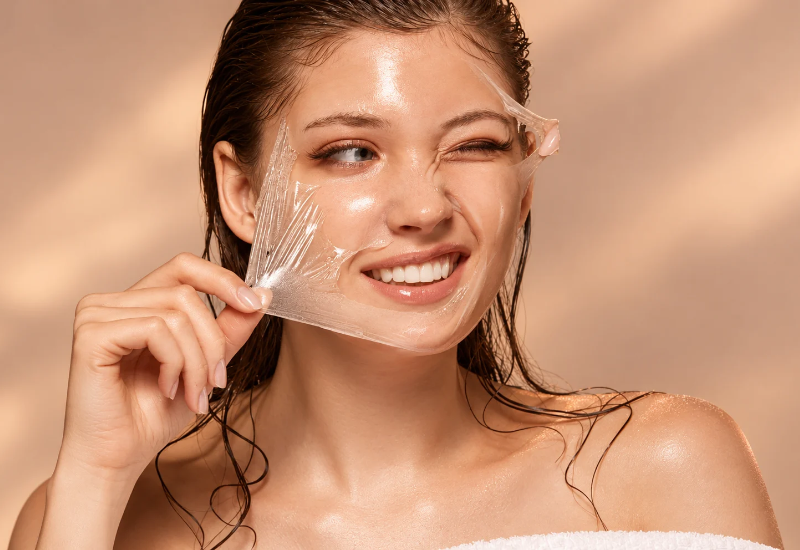
Chemical Peel Treatment in Dubai
Uneven skin tone, acne marks, pigmentation, rough texture and fine lines can affect the appearance of your skin over time. Chemical peel treatments offer a non-surgical way to improve these concerns through controlled exfoliation and skin renewal.
At Opal Elite Clinic in Dubai, chemical peels are selected according to your skin type, condition, sensitivity and aesthetic goals. By using carefully chosen exfoliating solutions, the treatment helps remove accumulated dead skin cells and encourages the skin’s natural renewal process, revealing a smoother and more refreshed complexion.
Whether you’re looking to address sun damage, blemishes, dullness or uneven pigmentation, a personalised chemical peel treatment may help improve the overall appearance and texture of your skin.
Book your chemical peel consultation at Opal Elite Clinic and discover a treatment approach tailored to your skin.
What Is a Chemical Peel?
A chemical peel is a professional skin-resurfacing procedure that uses carefully selected chemical exfoliating agents to remove or loosen damaged cells from the outer layers of the skin.
Depending on the formulation and treatment depth, a peel can work at different levels of the skin to address specific concerns.
Chemical peels are commonly used to improve the appearance of:
Uneven skin tone and pigmentation.
Sunspots and age-related discoloration.
Acne and clogged pores.
Post-acne marks.
Rough or uneven skin texture.
Fine lines and superficial wrinkles.
Dull or tired-looking skin.
The depth of the peel, ingredients used and treatment intensity are selected based on your skin’s condition and tolerance. Some treatments involve mild exfoliation with minimal recovery, while others may result in more noticeable peeling and a longer healing period.
At Opal Elite Clinic, the objective is to choose an appropriate peel that supports visible skin improvement while prioritising skin health and safety.
How Do Chemical Peels Work?
Chemical peels work by applying a specific exfoliating solution to the skin to encourage the shedding of damaged or dead skin cells. Depending on the ingredients and concentration, the solution may target the outermost skin layers or penetrate more deeply.
The treatment works through several processes:
Exfoliation: Helps loosen and remove accumulated dead skin cells from the surface.
Skin renewal: Supports the natural turnover of skin cells, helping fresh skin become more visible.
Improved skin texture: May help soften roughness and improve the appearance of superficial imperfections.
Pigmentation improvement: Selected peel formulations may help reduce the appearance of certain forms of discoloration.
Acne management: Some peels help reduce pore congestion and excess oil, depending on the ingredients used.
The effects and recovery time depend on the peel type, concentration, application technique and individual skin response.
Skin Concerns Chemical Peels Can Help Improve
Chemical peels may be considered for a variety of cosmetic skin concerns. Your practitioner will determine whether a peel is appropriate for your condition and skin type.
Sun Damage & Pigmentation
Selected peels can help improve the appearance of sunspots, uneven pigmentation and certain discoloration concerns.
Acne & Congestion
Some formulations help unclog pores and improve the appearance of acne-prone skin.
Post-Acne Marks
Peels may help reduce the appearance of superficial discoloration left behind after acne breakouts.
Fine Lines
Selected peels can help improve the appearance of superficial lines and skin roughness.
Uneven Skin Texture
Exfoliation may help improve roughness and create a smoother-looking skin surface.
Melasma & Discoloration
Carefully selected formulations may be considered as part of a broader pigmentation management plan.
Chemical peels are not suitable for every pigmentation condition. Melasma and darker skin tones require particularly careful assessment because certain peels may worsen pigmentation if selected or applied incorrectly.
Types of Chemical Peels
Chemical peels vary in their ingredients, strength and depth of action. The appropriate treatment depends on your skin condition, sensitivity, previous treatments and desired outcome.
1. Superficial Chemical Peels
Superficial peels target the outermost layer of the skin and are generally used for mild skin concerns. They may be considered for dullness, mild acne, superficial pigmentation and uneven texture.
These treatments typically involve a shorter recovery period compared with deeper peels, although temporary redness, dryness or flaking may still occur.
Common ingredients in superficial peels may include:
Glycolic acid.
Lactic acid.
Salicylic acid.
Mandelic acid.
The formulation and concentration are chosen according to individual skin needs.
2. Medium-Depth Chemical Peels
Medium-depth peels penetrate further into the skin than superficial treatments and may be used for more pronounced pigmentation, selected acne-related concerns, sun damage and fine lines.
Depending on the formulation, trichloroacetic acid (TCA) may be used in professionally administered medium-depth peels. These treatments require careful preparation, assessment and monitoring because the recovery period and potential side effects are more significant.
Patients may experience redness, swelling, peeling and temporary skin sensitivity during healing.
3. Deep Chemical Peels
Deep chemical peels penetrate more extensively and are used for selected skin concerns requiring intensive resurfacing. They carry greater risks and generally involve more significant recovery.
Deep peels are not suitable for everyone and require specialist evaluation, careful medical supervision and appropriate monitoring. Depending on the formulation, risks may include prolonged redness, scarring, infection, pigment changes and systemic complications.
At Opal Elite Clinic, the type and depth of peel should be selected only after a professional skin assessment, based on the treatments actually offered and your individual suitability.
Chemical Peel Ingredients and Their Benefits
Different peeling agents have different properties. The ingredient selection depends on the skin concern, treatment depth and the practitioner’s clinical assessment.
Glycolic Acid
Glycolic acid is an alpha-hydroxy acid commonly used for superficial exfoliation. It may help improve dullness, uneven texture and selected forms of superficial pigmentation.
Salicylic Acid
Salicylic acid is a beta-hydroxy acid with properties that make it useful for oily and acne-prone skin. It can help exfoliate inside pores and address congestion.
Lactic Acid
Lactic acid is an alpha-hydroxy acid often used in superficial formulations. Depending on the formulation, it may help improve skin texture and support exfoliation.
Mandelic Acid
Mandelic acid is another alpha-hydroxy acid used in selected exfoliating formulations. Its properties may make it an option for some individuals with concerns such as uneven texture or acne-prone skin.
Trichloroacetic Acid (TCA)
TCA is used in selected medium-depth peel formulations to address certain pigmentation, textural concerns and superficial lines. Its application requires medical expertise and careful assessment.
Benefits of Chemical Peel Treatment
A professionally selected chemical peel may offer several cosmetic benefits for patients seeking to improve their skin without surgery.
1. Brighter-Looking Skin
Exfoliation helps remove accumulated surface cells that may contribute to a dull appearance, helping the skin look fresher.
2. Improved Skin Texture
Selected peel treatments may help reduce superficial roughness, unevenness and certain textural imperfections.
3. More Even Skin Tone
Chemical peels may help improve the appearance of selected forms of pigmentation, including sun-related discoloration and superficial post-acne marks.
4. Support for Acne-Prone Skin
Certain formulations, such as salicylic-acid-based peels, may help reduce pore congestion and support acne management in suitable patients.
5. Softening of Superficial Fine Lines
Some chemical peels can improve the appearance of superficial fine lines through skin resurfacing and renewal.
6. Customisable Treatment Approach
Peels can be selected and adjusted according to individual skin concerns, sensitivity, pigmentation risk and recovery expectations.
How Is a Chemical Peel Treatment Performed?
A chemical peel appointment involves skin assessment, preparation, application of the selected peeling solution and post-treatment guidance. The exact steps depend on the peel type and depth.
Step 1 – Skin Consultation
Your practitioner examines your skin, discusses your concerns and reviews your medical history, current skincare routine, medications and previous aesthetic treatments. This helps determine whether a peel is appropriate and which type may be suitable.
Step 2 – Skin Preparation
The treatment area is cleansed to remove makeup, oil and impurities. Depending on the peel, pre-treatment skincare may be recommended in the days or weeks before the procedure. Not all patients require preparation.
Step 3 – Application of the Chemical Solution
The selected peel is applied carefully to the treatment area. You may experience tingling, warmth or a stinging sensation depending on the formulation. Application time and technique are determined by the practitioner.
Step 4 – Treatment Monitoring
The practitioner monitors the skin’s response throughout the procedure. Depending on the product, the solution may be neutralised, removed or left according to the manufacturer’s protocol.
Step 5 – Post-Treatment Skincare
After treatment, appropriate skincare products and protective measures are recommended to support the healing process and minimise irritation.
What to Expect During a Chemical Peel?
The sensation experienced during a chemical peel varies depending on the peel depth, ingredients and individual sensitivity.
During treatment, you may notice:
Mild tingling or stinging.
A feeling of warmth.
Temporary redness.
Mild skin tightness.
With some superficial peels, these sensations are brief. Medium or deeper treatments may produce more pronounced discomfort and require additional care or pain management.
After treatment, your skin may appear pink or red, feel dry or become visibly flaky. The degree of peeling varies, and not every chemical peel causes visible skin shedding.
Recovery After a Chemical Peel
Recovery depends on the formulation, concentration and depth of the peel. Mild treatments may cause temporary dryness, redness or light flaking, while more intensive peels may involve visible peeling, swelling, crusting and a longer healing period.
Recovery After a Superficial Peel
Mild redness or tightness may occur.
Light flaking may develop over the following days.
The skin may feel temporarily dry or sensitive.
Most superficial treatments involve relatively limited downtime, although individual responses vary.
Recovery After a Medium-Depth Peel
Redness and swelling may be more noticeable.
Peeling can be more pronounced.
The skin may remain sensitive during healing.
Recovery may take several days to around one or two weeks, depending on the treatment.
Recovery After a Deep Peel
Significant redness, swelling and peeling may occur.
Healing can take several weeks.
Medical follow-up and specialised skincare may be required.
Pigment changes, scarring and other complications are possible.
Recovery timeframes are approximate and vary according to the peel, skin condition, healing response and aftercare. Deeper peels should only be performed within appropriate medical settings and with suitable monitoring.
Chemical Peel Aftercare
Proper aftercare is an important part of the chemical peel treatment process. Your skin may be more vulnerable to irritation and sun damage while recovering.
Essential Aftercare Recommendations
Protect your skin from sunlight: Use broad-spectrum SPF 30 or higher, preferably SPF 50, and reapply as directed. Limit direct sun exposure during healing.
Keep your skincare routine gentle: Use mild cleansers and moisturisers recommended by your practitioner.
Avoid picking or peeling the skin: Allow flaking or shedding to occur naturally.
Temporarily avoid irritating skincare: Retinoids, exfoliating acids, scrubs and other active products should be withheld until your practitioner advises you to resume them.
Avoid excessive heat: Saunas, steam rooms and intense heat exposure may aggravate irritation during the early recovery period.
Follow treatment-specific instructions: Your practitioner may recommend a particular cleansing, moisturising and skin-protection routine.
Contact your practitioner if you experience worsening pain, unusual swelling, blistering, signs of infection or symptoms that concern you.
Who Is a Suitable Candidate for Chemical Peels?
Chemical peel treatments may be suitable for adults looking to improve selected skin concerns, such as uneven texture, dullness, superficial pigmentation, fine lines or acne-related imperfections.
You may be a suitable candidate if you:
Have uneven skin tone or superficial pigmentation.
Experience mild acne or congested pores.
Have superficial post-acne marks.
Notice rough or dull skin texture.
Want a non-surgical skin-resurfacing treatment.
Are willing to follow a structured skincare and sun-protection routine.
Who Should Avoid or Delay a Chemical Peel?
Chemical peels may not be appropriate for individuals who:
Have active skin infections, open wounds or irritation in the treatment area.
Have recently experienced significant sun exposure or sunburn.
Have a history of certain skin conditions that may affect healing.
Have a history of herpes simplex outbreaks in the treatment area without appropriate preventive planning.
Have recently undergone other skin-resurfacing procedures.
Are using medications or skincare products that may increase skin sensitivity.
Patients with darker skin tones, melasma or a history of post-inflammatory hyperpigmentation require careful peel selection, as inappropriate treatment may worsen pigmentation.
Your practitioner will assess your skin and medical history before recommending treatment.
Frequently Asked Questions About Chemical Peels in Dubai
What is a chemical peel treatment?
A chemical peel is a professional skin-resurfacing procedure that uses an exfoliating solution to remove or loosen damaged outer skin cells. It can help improve the appearance of pigmentation, acne-related concerns, uneven texture, dullness and superficial fine lines.
What skin problems can chemical peels treat?
Chemical peels may help address selected concerns, including acne, superficial acne marks, uneven skin tone, sunspots, dullness, rough texture and fine lines. The type of peel depends on the condition being treated and your skin's suitability.
Are chemical peels suitable for all skin types?
Not every peel is suitable for every skin type. Certain skin tones and conditions, particularly skin prone to pigmentation, require careful selection of ingredients, concentration and treatment depth. Your practitioner will assess your skin before recommending a peel.
How long does a chemical peel treatment take?
Treatment time varies according to the peel type, area being treated and preparation required. Many superficial peel appointments take approximately 20–40 minutes, although some treatments may take longer.
Does a chemical peel hurt?
Most patients experience some tingling, warmth or mild stinging during application. The sensation varies depending on the formulation and depth of the peel. More intensive treatments may require additional comfort measures.
Will my skin peel after the treatment?
Visible peeling may occur, but it is not guaranteed with every treatment. Some superficial peels cause only mild dryness or flaking, while medium and deeper peels may produce more noticeable shedding.
How long does it take to recover from a chemical peel?
Recovery depends on the peel depth. Superficial peels may involve a few days of mild dryness or flaking, whereas medium-depth peels may require around one to two weeks of recovery. Deeper treatments may involve several weeks of healing.
How many chemical peel sessions do I need?
The number of sessions depends on your skin concern, peel type and treatment response. Some concerns may improve after a single session, while others may require a series of superficial peels performed at appropriate intervals.
Can chemical peels help with acne?
Certain chemical peels, particularly formulations containing salicylic acid, may help manage acne-prone skin by reducing pore congestion and exfoliating the skin. They are generally considered as part of a broader acne-management plan rather than a standalone solution for all acne types.
Reveal Smoother, More Radiant Skin with Chemical Peels in Dubai
Your skin deserves a treatment approach that considers its unique needs. Whether you’re looking to improve uneven pigmentation, reduce the appearance of acne marks, refine rough texture or restore a brighter complexion, chemical peel treatments may offer an effective non-surgical option.
At Opal Elite Clinic, chemical peel treatments are selected according to your skin concerns, condition and aesthetic goals. Our team can help you understand the available options, expected recovery and appropriate skincare to support your treatment journey.
Book your chemical peel consultation at Opal Elite Clinic in Dubai and take the next step towards healthier-looking, smoother and more radiant skin.