

Premium aesthetic, laser, skincare, and dental care in Dubai, combining advanced technology with personalised patient care.
Premium aesthetic, laser, skincare, and dental care in Dubai, combining advanced technology with personalised patient care.
Book Appointment
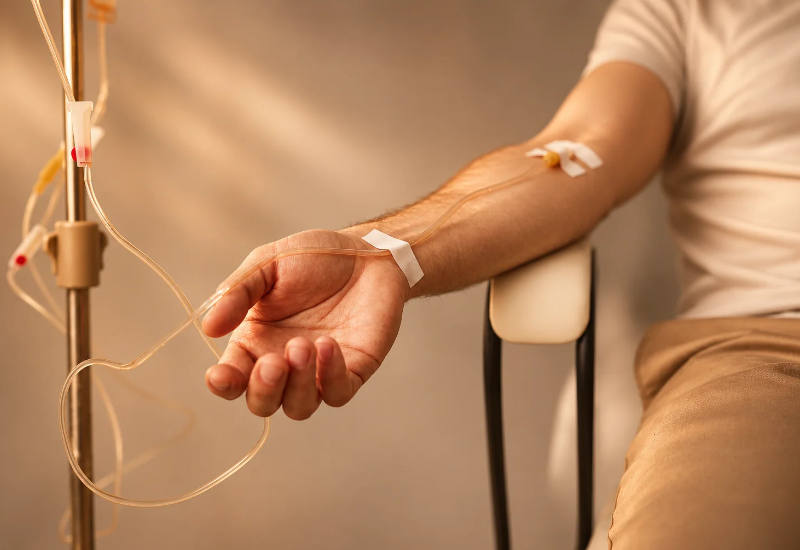
IV Infusion Therapy in Dubai
Intravenous (IV) infusion therapy is a medical procedure that delivers fluids, vitamins, minerals or other prescribed substances directly into the bloodstream. Depending on the clinical need, intravenous administration may be used to address dehydration, specific nutritional deficiencies or other medical indications.
At Opal Elite Clinic in Dubai, IV infusion treatments are approached with a focus on individual assessment, medical supervision and patient safety. Every treatment discussion begins with understanding your health history, current needs and whether intravenous administration is medically appropriate.
Our team prioritises evidence-based care and realistic expectations to help patients make informed decisions about their treatment options.
Discover medically guided IV infusion care at Opal Elite Clinic.
What Is IV Infusion Therapy?
Understanding Intravenous Infusions
IV infusion therapy involves delivering fluids or prescribed substances into a vein through a small intravenous catheter. Unlike oral supplements or medications, intravenous administration bypasses the digestive system and introduces the solution directly into the circulation.
IV infusions have an established role in medical care, including fluid replacement, electrolyte management, nutritional support and the administration of certain medications when clinically indicated.
In wellness settings, IV infusions are also marketed for a range of purposes. However, evidence supporting many elective wellness claims remains limited, particularly for individuals who are healthy and do not have a diagnosed deficiency or medical indication.
The appropriate use of IV infusion therapy depends on the individual patient, the formulation, the intended purpose and medical assessment.
How Does IV Infusion Therapy Work?
Delivering Fluids and Nutrients Through the Bloodstream
IV infusion therapy is administered through a catheter inserted into a vein, usually in the arm or hand. A prepared solution flows through the catheter and enters the bloodstream at a controlled rate.
The formulation, infusion rate and duration depend on the prescribed treatment and the patient’s medical requirements.
1. Preparation of the Infusion
The prescribed fluid or medication is prepared according to the relevant clinical protocol and product instructions.
2. Intravenous Access
A qualified healthcare professional inserts a small catheter into a suitable vein using aseptic techniques.
3. Controlled Administration
The infusion is delivered at an appropriate rate while the patient is monitored, as required.
4. Clinical Monitoring
The healthcare team observes the patient and assesses for discomfort or any reaction during the procedure.
Because the solution enters the bloodstream directly, intravenous administration requires appropriate medical oversight, sterile handling and careful consideration of dosage and formulation.
What May Be Included in an IV Infusion?
Common Components Used in Medical IV Formulations
Depending on the medical indication and prescribed formulation, IV solutions may contain different components.
Fluids
Sterile fluid solutions may be used to support fluid replacement in patients who require intravenous hydration.
Electrolytes
Electrolytes such as sodium, potassium or magnesium may be administered intravenously when medically indicated.
Vitamins
Certain vitamins may be administered intravenously when a specific clinical indication warrants this route of administration.
Other Prescribed Substances
Depending on the clinical purpose, other medicines or nutritional components may be administered through an IV when appropriate and permitted.
The ingredients of an infusion should be selected according to medical indication, product availability, regulatory status and individual patient needs. Not every component is appropriate for every patient.
Potential Benefits and Medical Uses of IV Infusion Therapy
When Intravenous Treatment May Be Appropriate
IV infusion therapy has recognised applications in medicine. The benefits depend on the condition being treated and the specific formulation administered.
Fluid Replacement
Intravenous fluids may be prescribed to manage certain forms of dehydration when oral fluid intake is insufficient, inappropriate or when clinical circumstances require intravenous treatment.
Nutritional Deficiency Management
Certain vitamin or mineral deficiencies may require treatment through intravenous administration when the oral route is unsuitable or when a specific medical indication warrants IV treatment.
Medical Administration of Prescribed Therapies
IV administration is used in healthcare for certain prescribed medications and treatments when the intravenous route is clinically appropriate.
Individualised Medical Support
In some clinical circumstances, infusion therapy may form part of a broader treatment plan. The decision to use an infusion depends on the underlying condition, assessment findings and the availability of appropriate alternatives.
What About General Wellness Benefits?
IV vitamin infusions are frequently promoted for improving energy, supporting immunity, enhancing skin appearance, managing fatigue or promoting general wellbeing.
However, evidence for these benefits in healthy individuals without an established deficiency or clinical indication is limited. Direct delivery into the bloodstream does not automatically mean a treatment is more effective, safer or necessary.
At Opal Elite Clinic, IV treatment recommendations should be based on clinical relevance rather than unsupported wellness claims.
Who May Be Suitable for IV Infusion Treatments?
Is IV Infusion Therapy Appropriate for You?
IV infusion therapy is not suitable for everyone. A healthcare professional should assess your medical history, symptoms, medications and individual requirements before recommending intravenous treatment.
A consultation may be appropriate for individuals who:
Have a diagnosed deficiency or condition for which intravenous treatment may be medically indicated.
Require fluid replacement following a clinical assessment.
Have a medical reason why oral administration may not be appropriate.
Have been advised by a healthcare professional to consider a particular IV treatment.
Want to understand the clinical rationale, safety and limitations of a proposed infusion.
Who Should Exercise Caution?
Additional medical assessment may be necessary for patients with:
Kidney disease or impaired renal function.
Heart conditions that affect fluid management.
A history of allergic reactions to medications, vitamins or infusion components.
Certain metabolic or electrolyte disorders.
Pregnancy or breastfeeding.
A history of vascular problems or complications related to IV access.
Medications that may interact with the proposed formulation.
The suitability of IV therapy should be determined by a qualified medical professional. It is not recommended to select an infusion solely based on a promotional treatment menu or a desired wellness outcome.
What to Expect During Your IV Infusion Session
Your Infusion Appointment at Opal Elite Clinic
1. Initial Medical Consultation
Your medical history, current medications, allergies, symptoms and treatment objectives are reviewed.
2. Clinical Assessment
The clinician determines whether an infusion is appropriate and whether any investigations or precautions are required.
3. Treatment Preparation
The prescribed solution and necessary equipment are prepared following appropriate clinical and infection-control procedures.
4. Infusion Administration
The IV catheter is placed by a qualified healthcare professional, and the infusion is administered at an appropriate rate.
5. Monitoring During Treatment
Your comfort and response are monitored during administration, and any symptoms or concerns are addressed.
6. Post-Treatment Guidance
You receive instructions appropriate to your treatment, including any recommended follow-up or precautions.
The duration of an IV infusion varies depending on the formulation, prescribed rate and clinical requirements. Treatment times should not be advertised as fixed unless confirmed by the clinic’s actual protocols.
Safety, Side Effects and Aftercare
Understanding the Risks of Intravenous Infusion
IV infusion therapy is a medical procedure and carries potential risks. Appropriate assessment, product selection, sterile technique and monitoring help reduce complications, but cannot eliminate them.
Potential side effects or complications may include:
Bruising or discomfort: Mild pain, tenderness or bruising may occur at the site of catheter insertion.
Vein irritation: The infusion may cause irritation, inflammation or discomfort along the vein.
Infection: Improper handling or catheter-related complications may introduce infection.
Allergic reactions: Certain ingredients or excipients may cause hypersensitivity reactions.
Fluid overload: Excessive fluid administration may be harmful, particularly in patients with heart or kidney conditions.
Electrolyte abnormalities: Incorrect concentrations or excessive administration of certain electrolytes may cause complications.
Ingredient-specific adverse effects: Certain vitamins, medications or other substances may have side effects or interact with existing medications.
After Your Infusion
After treatment, patients should follow the instructions provided by their healthcare professional.
Keep the insertion site clean and follow any care instructions.
Monitor for unusual redness, swelling, pain or discharge at the catheter site.
Report unexpected symptoms or reactions promptly.
Seek urgent medical care if you experience difficulty breathing, severe swelling, chest discomfort, fainting or other serious symptoms.
Follow the recommended schedule for any further assessment or treatment.
IV therapy should not be repeated unnecessarily. The frequency and need for additional infusions should be determined by a clinician.
Why Choose Opal Elite Clinic for IV Infusion Treatments?
Individualised Care With a Focus on Medical Safety
Choosing an IV infusion treatment should involve more than selecting a formula. It requires an understanding of your medical needs, the intended purpose of the treatment and the potential risks.
At Opal Elite Clinic, our approach is centred on:
Patient-focused assessment: Understanding your medical background, symptoms and treatment expectations.
Medical supervision: Treatment decisions guided by qualified healthcare professionals within their licensed scope.
Safety-first procedures: Appropriate preparation, administration and monitoring of intravenous treatments.
Transparent communication: Clear information about ingredients, limitations, risks and alternatives.
Personalised recommendations: Treatment planning based on clinical considerations rather than routine or unnecessary infusion use.
Continuity of care: Appropriate guidance and follow-up according to your medical needs.
Our aim is to provide a responsible, patient-centred approach to intravenous treatment, helping you understand the options available and make informed decisions.
Frequently Asked Questions About IV Infusion Therapy
What is IV infusion therapy?
IV infusion therapy is a procedure in which fluids, medications or other prescribed substances are delivered directly into a vein. It is used for a variety of medical purposes, including fluid replacement and certain treatments when intravenous administration is clinically appropriate.
How does IV infusion therapy work?
An intravenous catheter is inserted into a vein, allowing a prepared solution to enter the bloodstream at a controlled rate. The formulation and rate of administration depend on the treatment and the patient's clinical requirements.
Are IV vitamin infusions beneficial for everyone?
No. IV vitamin therapy is most clearly indicated when there is a medical reason for intravenous nutrient administration. Evidence supporting routine vitamin infusions in otherwise healthy individuals without a diagnosed deficiency is limited.
Can IV infusion therapy help with fatigue?
Fatigue can have many underlying causes, including sleep problems, nutritional deficiencies, hormonal conditions, infections and other medical disorders. An IV infusion should not be used as a substitute for identifying the underlying cause. A medical assessment is recommended before considering treatment.
Can IV infusion therapy boost immunity?
Although certain nutrients are involved in immune function, evidence that elective IV vitamin infusions improve immune outcomes in healthy individuals without deficiencies is limited. The appropriate management of nutritional deficiencies may support normal physiological function, but this is not the same as a guaranteed immune-enhancing effect.
Is IV infusion therapy better than oral supplements?
Not necessarily. Intravenous administration bypasses the digestive system, but this does not mean it is inherently superior to oral supplements. The best route depends on the medical indication, absorption, formulation, patient circumstances and available evidence.
How long does an IV infusion treatment take?
The duration varies according to the formulation, administration rate, medical requirements and monitoring needs. Your healthcare professional can provide an estimated duration before the procedure.
Are IV infusions safe?
IV infusions may be appropriate when medically indicated and administered using suitable clinical procedures. However, risks can include infection, vein irritation, allergic reactions, fluid overload and electrolyte disturbances. Medical screening and appropriate monitoring are important.
How frequently can I receive IV infusion therapy?
There is no universal frequency that applies to all IV infusions. The recommended schedule depends on the specific formulation, medical indication, treatment response and your health status. Repeated administration without a clear medical reason may introduce unnecessary risks.
Make Informed Decisions About Your Health
IV infusion therapy has an important role in medical care when used for appropriate indications. Understanding the treatment, its potential benefits, limitations and risks is an essential part of making an informed decision.
At Opal Elite Clinic, our team prioritises individual assessment and responsible medical guidance to help you explore appropriate treatment options.
Book a consultation to discuss your health concerns, understand whether intravenous treatment may be appropriate and receive guidance based on your individual needs.