

Premium aesthetic, laser, skincare, and dental care in Dubai, combining advanced technology with personalised patient care.
Premium aesthetic, laser, skincare, and dental care in Dubai, combining advanced technology with personalised patient care.
Skin & Hair Services
Book Appointment
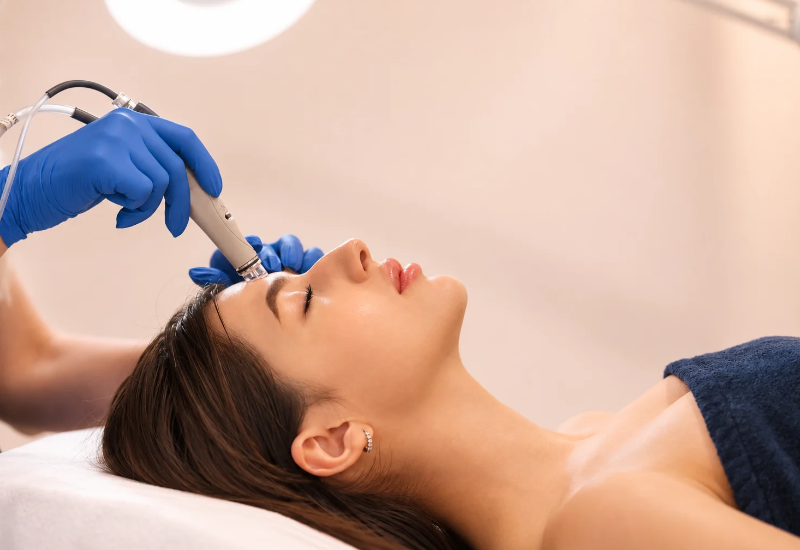
HydraFacial in Dubai
Daily exposure to sunlight, pollution, makeup and environmental impurities can leave the skin looking dull, congested and dehydrated. Even with a consistent skincare routine, dead skin cells and excess oil can accumulate on the skin’s surface and contribute to uneven texture.
HydraFacial is a non-invasive facial treatment that combines cleansing, exfoliation, pore extraction and hydration in a structured treatment process. It is designed to remove surface impurities while delivering hydrating and skin-conditioning solutions.
At Opal Elite Clinic, a HydraFacial treatment can be tailored according to your skin condition and concerns, helping you achieve a refreshed and healthier-looking complexion.
Whether you are concerned about clogged pores, excess oil, dryness, dullness or uneven texture, a professional skin assessment can help determine the most appropriate HydraFacial approach.
Book your HydraFacial consultation at Opal Elite Clinic and give your skin a refreshing reset.
What Is HydraFacial?
HydraFacial is a professional facial treatment that uses a specialised device and treatment tips to cleanse, exfoliate, extract impurities and deliver hydrating skincare solutions.
Unlike a conventional facial that relies mainly on manual cleansing and massage, HydraFacial uses a controlled device-assisted process to treat the skin’s surface and pores.
The treatment generally follows three main stages:
Cleanse and Peel: Removes surface impurities and dead skin cells through gentle cleansing and exfoliation.
Extract and Hydrate: Uses controlled suction to help remove debris from pores while delivering moisturising solutions.
Fuse and Protect: Applies selected hydrating and antioxidant skincare solutions to condition and protect the skin’s surface.
Depending on the equipment and treatment package available, additional serums or boosters may be incorporated following a skin assessment.
The treatment is primarily intended to improve skin cleanliness, hydration and appearance. It does not replace medical treatment for persistent acne, deep wrinkles or significant pigmentation disorders.
How Does HydraFacial Work?
HydraFacial combines several skincare steps in one appointment. Each stage has a different purpose.
1. Cleanse and Peel
The first stage prepares the skin for treatment.
A suitable cleansing solution is applied, followed by gentle exfoliation to remove accumulated dead skin cells and surface impurities. Depending on the selected protocol, a mild exfoliating solution may also be used to help loosen debris.
This stage helps improve the appearance of dull and uneven skin.
2. Extract and Hydrate
The next stage focuses on congested pores.
A specialised treatment tip uses controlled suction to help remove excess oil, dirt and debris from pores. Hydrating solutions are delivered during the process to help maintain skin moisture.
This stage may be beneficial for people concerned about:
Blackheads
Congested pores
Excess surface oil
Rough skin texture
Dull-looking skin
The treatment should be adjusted according to skin sensitivity and tolerance.
3. Fuse and Protect
The final stage focuses on replenishing the skin’s surface.
Hydrating and skin-conditioning solutions are applied to help support moisture levels and improve the appearance of skin freshness. Depending on the available products and protocol, selected formulations may contain ingredients such as antioxidants, peptides or hyaluronic acid.
The aim is to leave the skin feeling hydrated, comfortable and refreshed.
Benefits of HydraFacial Treatment
HydraFacial may offer several cosmetic benefits as part of a regular skincare routine.
Deep Cleansing
The treatment helps remove surface impurities, excess oil and debris that can contribute to congested-looking skin.
Gentle Exfoliation
Controlled exfoliation removes accumulated dead skin cells and helps improve the appearance of uneven texture.
Improved Hydration
Hydrating solutions help replenish surface moisture, leaving the skin feeling softer and more comfortable.
Clearer-Looking Pores
The extraction stage helps remove debris from pores, improving the appearance of congestion and blackheads.
Brighter-Looking Complexion
By removing surface buildup and improving hydration, HydraFacial may help skin look fresher and more radiant.
Smoother Skin Texture
Gentle exfoliation and hydration can help improve the appearance and feel of rough or uneven skin.
Suitable for a Range of Skin Concerns
A customised protocol may be considered for people with oily, dry, dull or congested skin. Suitability depends on individual skin sensitivity and the selected products.
Convenient Treatment
A standard HydraFacial session is generally completed within approximately 30–60 minutes, depending on the treatment plan and optional additions.
What Skin Concerns Can HydraFacial Address?
HydraFacial may be considered for several common cosmetic skin concerns.
Dull and Tired-Looking Skin
Accumulated dead skin cells and dehydration can make the complexion look less radiant. Gentle exfoliation and hydration can help restore a fresher appearance.
Congested Pores and Blackheads
Controlled extraction can help remove debris and excess oil from pores, improving the appearance of congestion.
Oily Skin
The cleansing and extraction stages may help manage excess surface oil and leave the skin feeling cleaner.
Dry and Dehydrated Skin
Hydrating solutions can help improve surface moisture and reduce the feeling of dryness.
Uneven Skin Texture
Exfoliation may help improve the appearance of roughness and surface irregularities.
Fine Lines
Improved hydration can temporarily soften the appearance of some fine lines associated with dryness. HydraFacial should not be presented as a replacement for treatments targeting deeper wrinkles or significant skin laxity.
Uneven Skin Tone
A brighter-looking complexion may be achieved through exfoliation and appropriate skincare solutions. More persistent pigmentation, melasma and sun damage may require a separate clinical assessment and targeted treatment.
Who Is a Suitable Candidate for HydraFacial?
HydraFacial may be suitable for adults looking for a professional facial treatment to improve skin cleanliness, hydration and surface texture.
It may be considered if you:
Have dull or tired-looking skin
Experience dry or dehydrated skin
Have oily or congested pores
Notice blackheads around the nose or chin
Want to improve the appearance of uneven texture
Prefer a non-surgical facial treatment
Want a skincare treatment with generally limited recovery time
Wish to maintain skin appearance between other aesthetic treatments
A consultation helps determine whether the treatment and selected skincare solutions are appropriate for your skin.
Who Should Avoid or Postpone HydraFacial?
Although HydraFacial is generally a gentle cosmetic facial, it is not suitable for every skin condition or every individual at every time.
Treatment may need to be postponed or modified if you have:
Active skin infection or open wounds in the treatment area
Significant irritation, sunburn or damaged skin
Active cold sores in the treatment area
Severe or inflamed acne that requires medical assessment
Known allergies or sensitivities to ingredients used in the treatment solutions
Recent procedures that have left the skin sensitive or compromised
A skin condition that may be aggravated by exfoliation or suction
Patients with rosacea, eczema, very sensitive skin or a history of pigmentation changes should discuss suitability with the practitioner before treatment.
Pregnant or breastfeeding patients should disclose their status and have the ingredients in any proposed treatment solutions reviewed before proceeding.
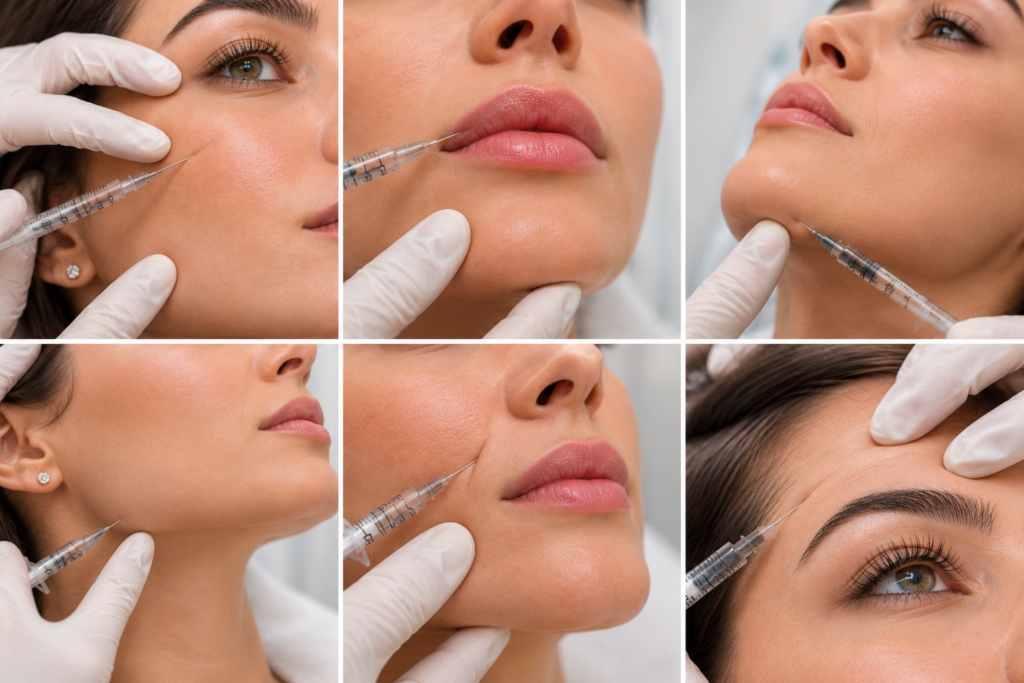
Areas That Can Be Treated
HydraFacial is most commonly performed on the face. Depending on the device, available treatment tips and clinic protocol, other areas may also be considered.
Face
A full facial treatment can address surface congestion, dryness, dullness and uneven texture.
Nose
The nose is a common area of concern for visible blackheads, excess oil and congested pores.
Chin
Treatment may help address surface oil and pore congestion around the chin.
Forehead
Gentle cleansing and hydration can help improve the appearance of dryness and surface texture.
Neck and Décolletage
Some treatment protocols may include the neck and décolletage to address dryness and surface texture. Availability should be confirmed with the clinic.
What Happens During a HydraFacial Appointment?
A HydraFacial appointment is generally straightforward and does not require surgery or injections.
Step 1: Skin Consultation
The practitioner discusses your skin concerns, skincare routine, medical history and any known allergies or sensitivities.
Your skin is assessed to determine the most suitable treatment approach.
Step 2: Cleansing and Preparation
The skin is cleansed to remove makeup, sunscreen, oil and surface impurities.
Step 3: Exfoliation
The treatment device is passed over the skin using a suitable tip and exfoliating solution to remove surface buildup.
Step 4: Extraction
Controlled suction helps remove debris and excess oil from pores while hydrating solutions are delivered.
Step 5: Hydration and Protection
Selected skincare solutions are applied to help condition and hydrate the skin.
Step 6: Aftercare Advice
The practitioner provides instructions about skincare, sun protection and when to resume active ingredients such as retinoids or exfoliating products.

How Long Does a HydraFacial Take?
A standard HydraFacial appointment generally takes around 30–60 minutes.
The exact duration depends on:
The treatment area
The selected protocol
The number of treatment stages
Whether optional boosters or additional services are included
The clinic should confirm the expected appointment duration when booking.
When Will You See Results?
Many patients notice that their skin feels cleaner, smoother and more hydrated immediately after treatment.
The appearance of the skin may continue to settle over the following hours.
Possible visible changes include:
A fresher-looking complexion
Improved surface hydration
Smoother skin texture
Reduced appearance of surface congestion
A temporary improvement in skin radiance
Results vary depending on skin condition, skincare habits and the treatment protocol. HydraFacial does not permanently change pore size or stop the natural ageing process.
How Often Should You Get a HydraFacial?
The recommended frequency depends on your skin type, concerns and response to treatment.
For general skin maintenance, some patients may choose to have a HydraFacial approximately every four to six weeks. However, this is not a universal requirement.
A practitioner may recommend a different schedule based on:
Skin sensitivity
Oil production
Congestion
Dryness and dehydration
Other ongoing aesthetic treatments
Your home skincare routine
Avoid excessive exfoliation or unnecessarily frequent treatments, particularly if your skin is sensitive.
Recovery and Aftercare
HydraFacial generally involves little recovery time. Most patients can return to normal daily activities shortly after their appointment.
To support your skin after treatment:
Use a gentle cleanser.
Apply a suitable moisturiser.
Use broad-spectrum sunscreen during the day.
Avoid excessive sun exposure.
Avoid harsh exfoliants immediately after treatment.
Follow the practitioner’s advice about retinoids and active skincare ingredients.
Avoid picking or rubbing the skin.
Keep your skincare routine simple if temporary sensitivity occurs.
Mild redness or sensitivity may occur, particularly in people with reactive skin. Contact the clinic if you experience persistent irritation, swelling or an unexpected reaction.
HydraFacial vs Traditional Facial
Both treatments aim to improve skin cleanliness and appearance, but their methods differ.
| Feature | HydraFacial | Traditional Facial |
|---|---|---|
| Cleansing | Device-assisted cleansing | Usually manual cleansing |
| Exfoliation | Controlled device-assisted exfoliation | Manual or product-based exfoliation |
| Extraction | Controlled suction | Often manual extraction |
| Hydration | Hydrating solutions delivered during treatment | Creams, masks and serums |
| Customisation | Selected tips and treatment solutions | Products and techniques selected by the therapist |
| Recovery | Generally minimal | Depends on products and extraction intensity |
HydraFacial vs Microdermabrasion
Both treatments exfoliate the skin, but they use different techniques.
| Feature | HydraFacial | Microdermabrasion |
|---|---|---|
| Main approach | Cleansing, exfoliation, extraction and hydration | Mechanical exfoliation of the skin's surface |
| Extraction | Uses controlled suction | Not necessarily a pore-extraction treatment |
| Hydration | Integrated into the treatment process | Usually provided separately |
| Skin concerns | Congestion, dryness, dullness and surface texture | Surface roughness and selected texture concerns |
| Treatment experience | Combines multiple steps | Focuses primarily on exfoliation |
Why Choose Opal Elite Clinic for HydraFacial?
A professional facial should be selected according to your skin’s needs, rather than using the same protocol for everyone.
At Opal Elite Clinic, your HydraFacial consultation should focus on:
Personalised skin assessment: Understanding your skin type, concerns and skincare routine.
Appropriate treatment selection: Choosing suitable cleansing, exfoliation and hydration steps.
Skin sensitivity considerations: Reviewing allergies, irritation and relevant skin conditions.
Professional treatment approach: Using suitable products and device settings.
Aftercare guidance: Helping you maintain skin comfort and hydration after your appointment.
Frequently Asked Questions About HydraFacial in Dubai
What is HydraFacial treatment?
HydraFacial is a device-assisted facial treatment that combines cleansing, exfoliation, pore extraction and hydration to improve the appearance and feel of the skin.
What are the main benefits of HydraFacial?
Potential benefits include improved surface hydration, smoother texture, a fresher-looking complexion and reduced appearance of pore congestion.
Is HydraFacial painful?
Most patients describe the treatment as comfortable. You may feel gentle suction or a light brushing sensation as the device moves across the skin.
How long does a HydraFacial session take?
A typical session takes approximately 30–60 minutes, depending on the selected treatment and any additional steps.
Is there downtime after HydraFacial?
Most patients can return to their normal routine shortly after treatment. Temporary redness or sensitivity may occur.
Can HydraFacial help with blackheads?
The extraction stage can help remove debris and excess oil from pores, improving the appearance of blackheads and congestion.
Is HydraFacial suitable for oily skin?
It may be suitable for oily skin because the treatment includes cleansing and controlled extraction. The protocol should be adjusted to avoid unnecessary irritation.
Can HydraFacial help dry skin?
Yes. Hydrating solutions can help improve surface moisture and leave dry skin feeling more comfortable.
Can HydraFacial help with acne?
It may help with surface congestion and excess oil in selected patients. It is not a replacement for medical acne treatment, particularly for inflammatory or cystic acne.
Can HydraFacial remove pigmentation?
HydraFacial may help improve the appearance of dullness and uneven surface tone. It should not be considered a definitive treatment for melasma or deeper pigmentation.
Does HydraFacial reduce wrinkles?
Hydration may temporarily soften the appearance of fine lines associated with dryness. It does not replace treatments specifically designed for deeper wrinkles or skin laxity.
Book Your HydraFacial Appointment at Opal Elite Clinic
Give your skin professional attention with a treatment designed to cleanse, exfoliate and hydrate.
Whether your concern is dullness, dryness, excess oil or congested pores, the right HydraFacial protocol starts with understanding your skin.
Book a consultation at Opal Elite Clinic in Dubai to discuss your skin goals and find out whether HydraFacial is suitable for you.
Refresh your skincare routine. Book your HydraFacial appointment today.