

Premium aesthetic, laser, skincare, and dental care in Dubai, combining advanced technology with personalised patient care.
Premium aesthetic, laser, skincare, and dental care in Dubai, combining advanced technology with personalised patient care.
Book Appointment
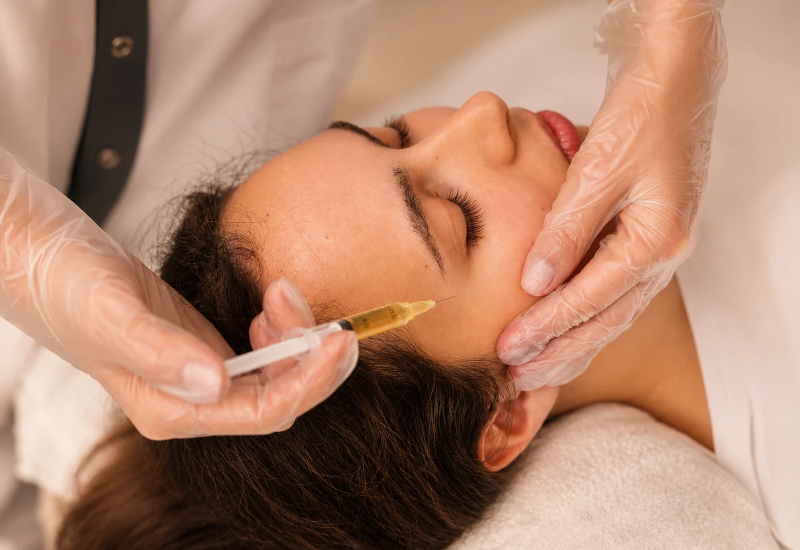
Exosome Therapy in Dubai
Exosome-based treatments are gaining attention in aesthetic medicine for their potential role in skin and hair-focused regenerative approaches. At Opal Elite Clinic in Dubai, exosome therapy consultations are tailored to your individual skin or scalp concerns, treatment goals and suitability.
Whether you are exploring options to improve the appearance of skin texture, support skin rejuvenation or address concerns about hair thinning, our specialists can guide you through available treatment approaches and help you understand what may be appropriate for your needs.
Discover a personalised approach to aesthetic care with a focus on informed treatment decisions, realistic expectations and patient safety.
Book your Exosome Therapy consultation at Opal Elite Clinic.
What Are Exosomes?
Exosomes are tiny membrane-bound vesicles released by cells that are involved in cellular communication. They can carry various molecules, including proteins, lipids and genetic material, which may influence how other cells respond.
Researchers are studying exosomes for their potential role in processes related to tissue repair, inflammation, skin biology and hair follicle function. This has generated interest in their possible applications in aesthetic medicine and dermatology.
Exosomes are not living cells and should not be confused with stem cell treatments. They are a type of extracellular vesicle, and their biological characteristics may vary according to their source, preparation and manufacturing process.
What Do Exosomes Contain?
Proteins: Molecules involved in cellular signalling and biological processes.
Lipids: Components that contribute to vesicle structure and function.
RNA and other molecular cargo: Molecules that researchers are investigating for their role in cell-to-cell communication.
Why Are Exosomes Being Studied in Aesthetic Medicine?
Researchers are investigating whether certain exosome preparations may influence processes associated with skin repair, skin quality, hair follicle activity and tissue responses.
Although early research has reported encouraging findings, exosome-based treatments remain an evolving field. Evidence varies considerably between products and treatment methods, and many proposed benefits have not been established through large, high-quality clinical trials.
How Does Exosome Therapy Work?
Exosome-based approaches are being investigated for their potential to influence cellular signalling and biological processes involved in skin and tissue responses.
Depending on the preparation and delivery method, exosomes may interact with cells in the treated area. Researchers are exploring whether these interactions may affect processes associated with inflammation, collagen-related activity and tissue repair.
In aesthetic settings, exosome preparations have been studied alongside procedures such as microneedling and certain laser treatments. However, outcomes cannot be assumed to be the same across products, application methods or treatment protocols.
The Scientific Concept Behind Exosome Therapy
1. Vesicle Formation
Cells release extracellular vesicles, including exosomes, which contain different biological molecules.
2. Molecular Cargo
These vesicles may carry proteins, lipids and other molecules involved in biological signalling.
3. Cellular Interaction
Researchers study how vesicles interact with recipient cells and whether they influence selected cellular processes.
4. Investigated Tissue Responses
Potential changes in skin-related processes are being investigated, although clinical benefits and long-term outcomes remain uncertain.
This describes proposed biological mechanisms under investigation, not guaranteed clinical outcomes.
Potential Areas of Exosome Research in Aesthetic Medicine
Exosome-based preparations are being investigated across several areas of dermatology and aesthetic medicine. Early studies have explored their use in skin rejuvenation, scalp and hair-related concerns, pigmentation and scar-related applications.
These are areas of ongoing research, not established treatment indications for all exosome products.
Skin Rejuvenation
Researchers are investigating whether certain exosome preparations may influence skin-related processes associated with hydration, elasticity, texture and the appearance of fine lines.
Some early human studies have reported short-term changes in selected skin measurements, particularly when exosome preparations were used alongside skin procedures. However, study designs, products and treatment protocols vary, and more robust research is needed.
Hair & Scalp Research
Exosomes are being studied for their potential interaction with biological processes involved in hair follicle function.
Early studies have explored hair density, hair thickness and scalp-related outcomes in individuals with certain forms of hair loss. These findings remain preliminary, and exosome-based approaches are not established substitutes for evidence-based hair-loss diagnosis and treatment.
Skin Texture & Scar-Related Research
Some researchers are investigating exosome preparations in conjunction with procedures intended to improve the appearance of acne scars and selected skin irregularities.
The potential role of exosomes in these applications remains under investigation, and the outcomes may depend on the underlying procedure, product and individual skin response.
Pigmentation & Skin Tone Research
Exosome-based preparations are also being investigated in laboratory and clinical settings for their potential interactions with pigmentation-related pathways.
Current findings are preliminary, and exosome therapy should not be promoted as an established treatment for melasma, hyperpigmentation or other pigmentation disorders without appropriate evidence for the specific product and indication.
What Does Current Research Say About Exosome Therapy?
Evidence, Limitations & Expectations
Exosome therapy has attracted increasing scientific interest, but its clinical evidence base is still developing.
Human studies in dermatology have explored different exosome sources, formulations, delivery methods and treatment combinations. Some have reported changes in skin texture, hydration, elasticity, pigmentation, wrinkles or hair-related measurements.
However, many studies have limitations, including small sample sizes, short follow-up periods, inconsistent treatment protocols and a lack of appropriate comparison groups.
What Early Research Has Explored
Skin hydration and elasticity measurements.
The appearance of fine lines and wrinkles.
Selected pigmentation-related outcomes.
Skin texture and scar-related outcomes.
Hair density and thickness in certain forms of hair loss.
What Remains Uncertain
Long-term safety of different preparations.
Which products, if any, provide meaningful clinical benefit.
Optimal treatment protocols and delivery methods.
The role of product sourcing and manufacturing quality.
The comparative effectiveness of exosomes against established treatments.
Appropriate indications and regulatory status for individual preparations.
The published literature is heterogeneous, and results from one product or study cannot be used to establish the effectiveness of another exosome preparation.
Exosome Delivery Methods
The method used to deliver an exosome preparation is an important consideration in assessing its safety and potential use. Topical application, application following a skin procedure and injection are not equivalent approaches.
Topical Application
Topical exosome preparations may be applied to the skin as part of certain aesthetic protocols. Researchers are investigating how these preparations interact with the skin and whether application alongside specific procedures may influence selected skin outcomes.
The ability of topical products to penetrate the skin and their effectiveness depend on the formulation, application method and skin barrier.
Application Following Skin Procedures
Some published studies have explored the application of exosome preparations following procedures such as microneedling or fractional laser treatment.
These procedures may alter the skin barrier, making product selection, clinical assessment, appropriate technique and safety considerations particularly important.
The effectiveness and safety of combining these procedures with specific exosome preparations are not established universally.
Injectable Exosome Preparations
Injectable exosome products raise additional safety and regulatory considerations. The risks may depend on the product’s source, manufacturing process, purity, composition, delivery method and clinical indication.
Injectable exosome preparations should not be assumed to be safe or effective merely because they are marketed for aesthetic use. Patients should ask about product identity, regulatory status, sourcing, risks and the evidence supporting the intended use before considering treatment.
Who May Consider an Exosome Therapy Consultation?
An exosome therapy consultation may be relevant for individuals who are interested in learning about emerging approaches to skin or hair-related concerns.
You may wish to explore a consultation if you:
Are interested in emerging skin rejuvenation approaches.
Wish to understand research relating to skin texture and quality.
Have concerns about hair thinning and want to explore treatment options.
Are interested in learning about exosome-based products used in aesthetic medicine.
Want to understand the potential risks, limitations and alternatives.
Prefer to make a treatment decision based on a medical assessment rather than marketing claims.
Who May Not Be Suitable?
Exosome-based treatments may not be appropriate for everyone. Your medical history, skin or scalp condition, medications, allergies and other factors must be considered.
Additional assessment or avoidance of certain preparations or procedures may be necessary for individuals with:
Active infections.
Active inflammatory skin conditions in the intended treatment area.
Certain immune-related conditions or immunosuppressive treatments.
Known allergies to ingredients in the preparation.
A history of abnormal scarring or certain inflammatory reactions.
Pregnancy or breastfeeding.
Other medical conditions that may affect treatment suitability.
This is not a complete list of contraindications. Suitability depends on the specific preparation and treatment method.
What to Expect During Your Exosome Therapy Consultation
1. Medical Consultation
Your consultation begins with a discussion of your concerns, medical history, current medications, previous aesthetic procedures and expectations.
Your specialist will assess whether an exosome-based approach is appropriate to consider or whether an established treatment may better address your concerns.
2. Assessment & Treatment Planning
Your specialist will evaluate the area you wish to address and discuss the potential treatment options.
If an exosome preparation is being considered, the consultation should include information about the product, source, composition, intended use, regulatory status and available clinical evidence.
3. Discussion of Risks & Alternatives
You will be informed about potential side effects, uncertainties, limitations and alternatives.
This includes a discussion of the distinction between established treatments and emerging or investigational approaches, helping you make an informed decision.
4. Treatment Decision
Treatment should only proceed where the specific product and procedure are appropriate, legally permitted, clinically justified and supported by informed consent.
A consultation does not mean treatment is automatically recommended.
5. Follow-Up & Review
Where a treatment is undertaken, follow-up may be recommended to monitor recovery, assess any side effects and evaluate the outcome.
Your specialist will provide guidance regarding appropriate follow-up and further treatment, if any.
Safety, Risks & Regulatory Considerations
What Patients Should Know Before Considering Exosome Therapy
Exosome-based treatments are an evolving area of aesthetic and regenerative medicine. Their safety and effectiveness depend on factors such as the product, preparation, source, manufacturing quality, delivery method and intended application.
The absence of living cells does not mean an exosome preparation is risk-free. Products may differ substantially in their biological composition and quality, and long-term clinical safety data remain limited.
Potential Side Effects
Depending on the product and delivery method, possible side effects may include:
Redness or irritation.
Swelling.
Tenderness or discomfort.
Temporary sensitivity.
Bruising, particularly where injections or skin procedures are involved.
Inflammatory reactions.
Infection.
Allergic reactions.
Pigmentation changes or scarring in certain circumstances.
Some serious adverse reactions have been reported in association with poorly characterised or unregulated preparations, particularly when administered through injection. Product quality, appropriate clinical governance and informed consent are essential.
Regulatory Status
Regulatory approval or registration is not universal across exosome products or aesthetic indications. A product being marketed, sold or available at a clinic does not automatically mean it has been approved for a specific treatment purpose.
Patients in Dubai should ask the provider about the specific preparation being considered, its regulatory status in the UAE, its source, product documentation and intended use.
Questions Worth Asking Before Treatment
What is the exact product being used?
What is the source of the preparation?
Is the product registered or authorised for this specific use in the UAE?
What evidence supports the intended treatment?
What are the potential risks and side effects?
What alternatives are available?
What happens if a complication occurs?
Exosome-based aesthetic treatments should not be described as guaranteed, risk-free, proven regenerative cures or replacements for established medical treatments.
Why Choose Opal Elite Clinic?
Individualised Consultation
We believe treatment decisions should begin with understanding your concerns, medical history and goals. Our consultation process is designed to help you explore available options and understand their suitability.
Transparent Treatment Information
We aim to provide clear information about treatment options, expected outcomes, limitations, potential side effects and available alternatives.
Patient-Centred Approach
Your concerns, preferences and comfort are considered throughout the consultation and treatment-planning process.
Focus on Informed Decisions
We encourage patients to understand the science, evidence and regulatory considerations behind emerging treatments before proceeding.
Professional Care & Follow-Up
Where a treatment is appropriate and offered, we aim to provide guidance throughout the treatment journey, including preparation, aftercare and follow-up.
Frequently Asked Questions About Exosome Therapy in Dubai
What is exosome therapy?
Exosome therapy refers to approaches involving exosome-containing preparations, which are composed of extracellular vesicles involved in cell-to-cell communication. Researchers are investigating their potential applications in skin, hair and other areas of medicine.
Are exosomes stem cells?
No. Exosomes are extracellular vesicles released by cells. They do not contain living cells in the same way stem cell therapies do, and the two treatments should not be considered interchangeable.
What are exosomes used for in aesthetic medicine?
Exosome-based preparations are being investigated for skin rejuvenation, hair-related concerns, pigmentation, scar-related applications and other skin processes. The evidence and regulatory status vary, and many applications remain investigational.
Can exosome therapy improve skin quality?
Some early human studies have reported short-term changes in selected skin measurements, including hydration, elasticity and the appearance of wrinkles. However, results are preliminary, and effectiveness cannot be assumed for every preparation or treatment method.
Can exosomes help with hair loss?
Exosomes are being studied for their potential role in hair follicle-related processes. Some early studies have reported changes in hair density or thickness, but their effectiveness and long-term safety for hair loss remain uncertain. A medical assessment is important to identify the cause of hair thinning and discuss established treatments.
Are exosome treatments safe?
Safety depends on the preparation, sourcing, manufacturing quality, delivery method and clinical context. Potential side effects may include irritation, swelling, infection, inflammatory reactions and other complications. Long-term safety data remain limited.
Your appointment may take longer when consultation and facial assessment are included.
How are exosomes applied?
Research and clinical protocols have explored topical application, application alongside skin procedures and injection. These approaches differ in terms of exposure, risks, clinical evidence and regulatory considerations.
How many exosome therapy sessions are needed?
There is no universally established treatment schedule for exosome-based aesthetic therapy. Published studies use different protocols, and the appropriate approach, if any, depends on the specific preparation and intended use.
Is there downtime after exosome therapy?
Downtime depends on the application method and any accompanying procedure. Topical application alone may have different recovery considerations from microneedling, laser procedures or injections. Your specialist should explain the expected recovery period before treatment.
Explore Emerging Skin & Hair Rejuvenation Approaches
Exosome therapy is an evolving field of aesthetic medicine, with ongoing research exploring its potential applications in skin and hair-related care.
At Opal Elite Clinic, we encourage informed treatment decisions based on individual assessment, scientific evidence, realistic expectations and patient safety.
Book a consultation to discuss your concerns, explore available treatment options and understand whether an exosome-based approach is appropriate to consider.