

Premium aesthetic, laser, skincare, and dental care in Dubai, combining advanced technology with personalised patient care.
Premium aesthetic, laser, skincare, and dental care in Dubai, combining advanced technology with personalised patient care.
Skin & Hair Services
Book Appointment
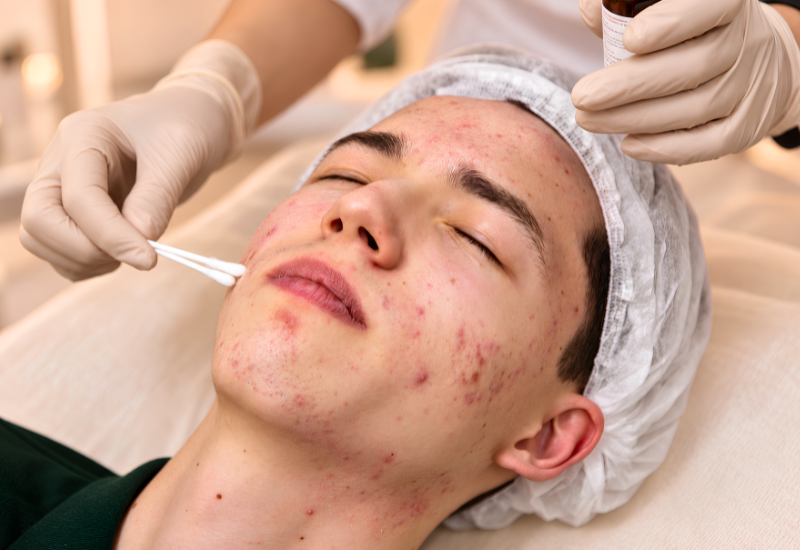
Acne Scar Treatment in Dubai for Smoother-Looking Skin
Discover personalised acne scar treatments designed to improve skin texture and reduce the appearance of scarring.
Acne scars can remain long after breakouts have cleared, leaving uneven skin texture, depressions or visible marks that may affect your confidence. With the right treatment approach, the appearance of many acne scars can be improved through procedures tailored to your skin condition and scar type.
At Opal Elite Clinic, acne scar treatment begins with a personalised skin assessment to understand the type, depth and extent of scarring. Our medical team may recommend suitable treatments such as microneedling, laser procedures, chemical peels or other scar-focused techniques depending on your individual needs.
Our goal is to support gradual, natural-looking skin improvement through a treatment plan that prioritises skin health, safety and realistic expectations.
What Is Acne Scar Treatment?
Acne scar treatment refers to dermatological procedures designed to improve the appearance of scars and uneven skin texture caused by inflammatory acne. Acne can affect deeper layers of the skin, and the healing process may leave behind depressions, raised scar tissue or changes in skin texture.
Different scars require different treatment approaches. Some procedures work by encouraging collagen production, while others help release scar tissue, resurface the skin or improve the appearance of specific scar patterns.
At Opal Elite Clinic, treatment selection is based on a thorough assessment of your scar characteristics, skin type, medical history and desired improvement.
How Does Acne Scar Treatment Work?
Acne scar treatments work through different mechanisms to improve skin irregularities, stimulate collagen remodelling or address scar tissue beneath the skin’s surface. The treatment chosen depends on the scar type, depth, skin tone and clinical suitability.
Microneedling
Microneedling uses fine needles to create controlled micro-injuries in the skin. This process stimulates the skin’s natural repair response and collagen production, which may gradually improve the appearance of certain depressed scars and uneven texture.
Laser Skin Resurfacing
Laser treatments use targeted light or energy to address selected skin concerns. Depending on the device and treatment settings, laser resurfacing may help improve the appearance of acne scars, uneven texture and some associated skin irregularities.
Subcision
Subcision is a technique used for selected depressed scars, particularly rolling scars that are tethered by fibrous bands beneath the skin. A specialist uses a needle or instrument to release these bands, helping the depressed area become less pronounced.
Chemical Peels
Chemical peels involve the application of selected chemical solutions to exfoliate the skin at controlled depths. Certain peels may help improve superficial acne-related texture and pigmentation, although deeper scars often require other treatments.
Combination Treatments
Some acne scars respond better to a combination of procedures than to a single treatment. Depending on your scar pattern, a medical professional may recommend a staged plan combining techniques to address different scar characteristics.
The procedures described above are potential treatment options, not a guarantee that every procedure is available or suitable at Opal Elite Clinic. Confirm available services with the clinic and medical team.
Benefits of Acne Scar Treatment
Acne scar treatments can help improve the appearance of skin affected by acne-related scarring. The potential benefits depend on the procedure, scar type and individual healing response.
Improves the Appearance of Depressed Scars
Selected treatments may help soften the appearance of sunken acne scars, including rolling and boxcar scars, by addressing collagen remodelling or underlying scar tissue.
Supports Smoother Skin Texture
Procedures that promote skin renewal may help reduce the appearance of uneven texture, roughness and irregularities caused by acne scarring.
Encourages Collagen Remodelling
Certain treatments stimulate collagen-related repair processes within the skin, which may contribute to gradual improvement in scar appearance over time.
Addresses Different Scar Types
Acne scar treatment plans can be adapted for different scar patterns, including shallow depressions, narrow pits and tethered scars.
Personalised Treatment Approach
Treatment selection can be tailored according to the patient’s scar characteristics, skin tone, tolerance for downtime and desired outcome.
Gradual, Natural-Looking Improvement
Acne scar treatments generally aim to make scars less noticeable rather than remove them completely. Improvement may occur gradually over multiple sessions.
Who Is an Ideal Candidate for Acne Scar Treatment?
Acne scar treatment may be suitable for individuals who wish to improve the appearance of persistent scarring, uneven skin texture or depressions that remain after acne breakouts have healed.
You may be a candidate for acne scar treatment if you:
Have visible depressed acne scars on the face or body.
Notice uneven or rough skin texture following acne.
Have rolling, boxcar or ice-pick scars.
Have acne scars that remain despite previous skincare treatments.
Want to explore professional skin rejuvenation options.
Are willing to follow a treatment plan and appropriate aftercare.
Have realistic expectations regarding improvement and the number of sessions required.
If active acne is still present, treatment may begin with controlling breakouts before scar-focused procedures. This can help reduce the risk of new scars forming. Your dermatologist will determine the appropriate sequence of treatment.
What Areas Can Be Treated for Acne Scars?
Acne scarring may affect different areas of the face and body. Treatment recommendations depend on the location, skin characteristics and type of scars present.
Cheeks
The cheeks are one of the common areas affected by acne scarring. Treatment may target rolling scars, boxcar scars, shallow depressions and uneven skin texture.
Forehead
Acne scars and textural irregularities on the forehead may be addressed using suitable resurfacing or collagen-stimulating procedures after assessment.
Temples
Scarring around the temples can create uneven contours or shadowing. A carefully selected treatment may help improve the appearance of the affected skin.
Chin and Jawline
Scarring in the lower facial area may develop following deeper or recurrent breakouts. Treatment is selected according to scar depth, location and skin condition.
Back and Shoulders
Acne scars can also occur on the back and shoulders. These areas may require different treatment settings, recovery expectations and session planning than facial scars.
What to Expect During Your Acne Scar Treatment
At Opal Elite Clinic, your acne scar treatment journey begins with a consultation to assess your skin and determine an appropriate treatment approach.
1. Consultation and Skin Assessment
Your specialist will assess the type, depth and distribution of your acne scars, review your medical history and discuss your treatment goals.
2. Treatment Planning
Based on your assessment, a suitable treatment may be recommended. This could involve a single procedure or a combination of treatments scheduled over multiple appointments.
3. Skin Preparation
The skin is cleansed and prepared for treatment. Depending on the procedure, a topical numbing cream may be applied to improve comfort.
4. Treatment Procedure
The selected treatment is performed according to your personalised plan. The duration and technique depend on the procedure and the area being treated.
5. Post-Treatment Care
After treatment, your specialist will provide instructions on skin recovery, skincare products, sun protection and follow-up appointments.
Treatment duration varies by procedure and treatment area. The clinic should confirm the expected appointment time for your selected treatment.
Acne Scar Treatment Results: Timeline and Longevity
The recovery period and visible results following acne scar treatment depend on the procedure performed, scar depth, skin type and individual healing response. Some procedures may involve a few days of recovery, while more intensive treatments may require a longer healing period.
Day 1–3
Initial Recovery
Redness, sensitivity, swelling or a warm sensation may occur following treatment. Depending on the procedure, small pinpoint marks or temporary skin irritation may also be present.
Days 3–7
Skin Healing
Temporary redness and swelling may begin to settle. Dryness, flaking or sensitivity can occur as the treated skin recovers, depending on the treatment method.
Weeks 4–12
Gradual Improvement
Changes in skin texture and scar appearance may become more noticeable as the skin heals and collagen remodelling progresses.
3–6 Months
Ongoing Remodelling
Some procedures may continue to produce gradual improvements over several months. Deep or mixed scar types may require a series of treatments.
How Long Do Acne Scar Treatment Results Last?
Acne scar treatment results may be long-lasting, particularly when the scars have been successfully treated and new acne breakouts are controlled. However, results vary based on the procedure, scar characteristics, healing response and skin ageing.
Acne scar treatments generally aim to improve the appearance of scars rather than completely eliminate them. Your specialist can advise on maintenance, further sessions and appropriate skincare based on your results.
Acne Scar Treatment Aftercare and Safety
Proper aftercare is an important part of the acne scar treatment process. Following your clinician’s instructions can help support healing and reduce the risk of complications.
Aftercare Recommendations
Use a gentle cleanser and moisturiser recommended by your clinician.
Apply broad-spectrum SPF 50 sunscreen and minimise direct sun exposure.
Avoid picking, scratching or rubbing the treated skin.
Avoid exfoliating products, retinoids and strong skincare actives until your specialist advises you to resume them.
Avoid strenuous exercise, swimming, saunas and excessive heat during the recommended recovery period.
Follow all treatment-specific instructions regarding skin cleansing and wound care.
Attend follow-up appointments if recommended.
Contact your medical provider if you notice symptoms that are unusual or worsening.
Potential Side Effects and Risks
Acne scar treatments may cause temporary side effects, including:
Redness and swelling.
Skin sensitivity or discomfort.
Dryness, peeling or flaking.
Temporary changes in skin pigmentation.
Bruising or pinpoint bleeding, depending on the procedure.
Infection.
Prolonged inflammation or delayed healing.
Scarring or worsening of skin irregularities in uncommon cases.
Some procedures carry a greater risk of pigmentation changes, particularly in darker skin tones. Treatment settings and procedure selection should be carefully tailored to your skin type.
A medical assessment is important before treatment, particularly if you have active acne, a history of abnormal scarring, recent use of acne medications, a history of cold sores, allergies or other relevant medical conditions.
Why Choose Opal Elite Clinic for Acne Scar Treatment in Dubai?
At Opal Elite Clinic, acne scar treatment begins with understanding your skin and the specific characteristics of your scars. Our medical team takes a personalised approach to treatment selection, considering scar depth, skin tone, medical history and your desired outcomes before recommending suitable procedures.
We focus on individualised treatment planning, patient comfort and realistic expectations throughout your acne scar treatment journey. From your initial consultation and skin assessment to procedure guidance and aftercare, our aim is to provide a supportive and professional experience.
Whether you are concerned about depressed acne scars, uneven texture or persistent skin irregularities, our team can help you explore appropriate treatment options and understand what improvement may be achievable.
At Opal Elite Clinic, we believe effective aesthetic care starts with informed decisions, personalised attention and a treatment approach that prioritises your skin’s health.
Frequently Asked Questions About Acne Scar Treatment
What is the best treatment for acne scars?
The most suitable treatment depends on the type, depth and severity of the scars. Microneedling, laser resurfacing, subcision and chemical peels may be considered for different scar types. Some individuals may benefit from a combination of procedures rather than a single treatment.
Can acne scars be completely removed?
Acne scars can often be improved, but complete removal is not guaranteed. Treatment aims to make scars less noticeable by improving skin texture, scar depth and overall appearance. Results depend on scar type, treatment selection and individual healing.
How many sessions are required for acne scar treatment?
The number of sessions depends on the procedure, scar severity and individual response. Some patients may require multiple sessions spaced several weeks apart, while others may need a combination of different treatments. Your specialist will recommend a treatment schedule following an assessment.
Is laser treatment effective for acne scars?
Laser treatments may help improve the appearance of acne scars by addressing uneven skin texture and stimulating skin remodelling. The type of laser, settings and treatment schedule should be selected according to scar type, skin tone and clinical suitability.
Is microneedling good for acne scars?
Microneedling may help improve certain depressed acne scars by stimulating collagen-related repair processes in the skin. It is often considered for rolling and shallow boxcar scars, although results vary and multiple sessions may be needed.
Does acne scar treatment hurt?
The level of discomfort depends on the procedure and treatment area. Some treatments may cause mild stinging, pressure or discomfort. Topical numbing agents may be used for certain procedures to help improve comfort.
How much downtime is required after acne scar treatment?
Recovery varies according to the treatment. Some procedures may involve mild redness and sensitivity for a few days, while more intensive treatments may require a longer recovery period. Your specialist will explain the expected downtime before treatment.
Can acne scar treatments be performed on darker skin tones?
Certain acne scar treatments may be suitable for darker skin tones, but careful treatment selection is important because some procedures can increase the risk of post-inflammatory pigmentation. A specialist should assess your skin tone, history and scar characteristics before recommending treatment.
Should active acne be treated before acne scars?
In many cases, active acne should be controlled before scar-focused procedures. Treating ongoing breakouts can help reduce the likelihood of new scars developing. Your medical provider will determine whether acne management should precede scar treatment.
Improve Skin Texture with Personalised Acne & Scar Treatment
Discover a personalised approach to acne scar treatment at Opal Elite Clinic in Dubai. Whether you wish to reduce the appearance of acne scars, improve uneven skin texture or address lingering skin irregularities from previous breakouts, our specialists will help you explore treatment options tailored to your skin type, scar characteristics and aesthetic goals.
Begin with a consultation to discuss your concerns, understand your treatment options and make an informed decision about your skin.